
The visual language of black and extreme metal often grapples with themes that lie at the fringes of human experience: death, decay, and the occult. Within this shadowy aesthetic landscape, the Japanese artistic tradition of Kusōzu, or “Nine Stages of a Corpse,” resonates with a particularly visceral and profound intensity. These paintings, far from being mere depictions of gruesome transformation, serve as a potent meditation, the ephemeral nature of beauty, and the ultimate levelling force of decomposition. For an audience attuned to the transgressive and the esoteric, Kusōzu offers a starkly beautiful, albeit disturbing, journey through the inevitable cycle of life and death.

The series typically commences with an image of serene beauty. Stage zero presents a noble lady in the full bloom of her earthly existence. Clothed in elegant garments, she often embodies ideals of grace and refinement, a picture of vitality seemingly untouched by the ravages of time. This initial depiction serves as a poignant counterpoint to the scenes that follow, emphasizing the dramatic and irreversible descent into oblivion that awaits all living beings, regardless of their earthly status.
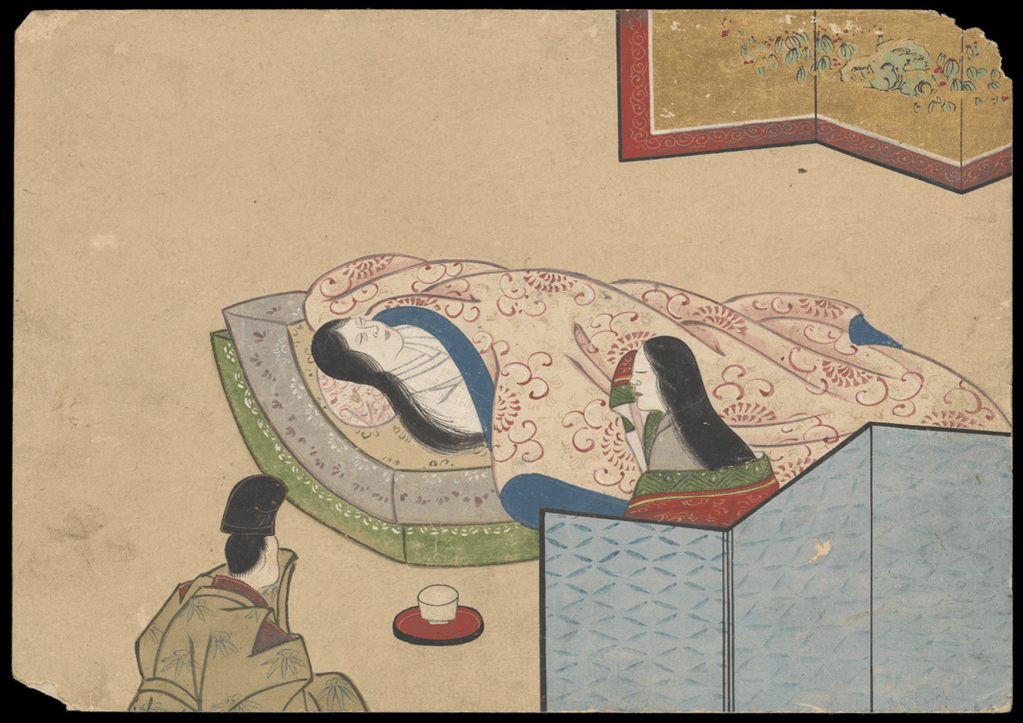
The transition begins swiftly. Stage one depicts the lady newly deceased, often attended by grieving mourners. The stillness of the body marks the abrupt cessation of life, a stark reminder of the fragility inherent in our corporeal forms. Yet, the outward appearance may still retain a semblance of the life that has just departed, a fleeting moment before the more dramatic transformations commence.
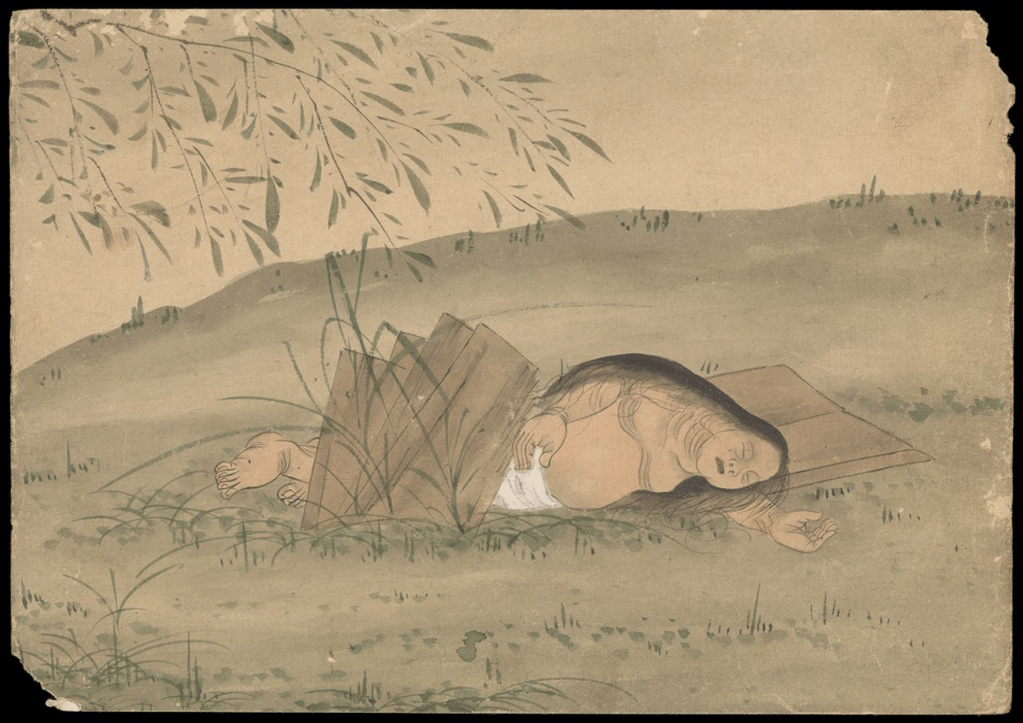
The subsequent stages chart a progressively unsettling biological disintegration. Stage two reveals the body distending, a consequence of internal gases building within the decaying flesh. This physical bloating signifies the initial triumph of natural processes over the once-vibrant form. Stage three introduces the exudation of blood and other bodily fluids, a graphic portrayal of the body’s internal breakdown. These images move beyond the passive stillness of death, forcing a confrontation with the messy reality of biological decay.

As the process continues, stage four presents the body in full putrefaction. The once-smooth skin takes on a discolored and mottled appearance, the features becoming increasingly unrecognizable. This is the point where the idealized image of the deceased begins to truly dissolve, replaced by the undeniable signs of organic breakdown.

Stage five offers a particularly confronting scene: the corpse subjected to consumption by birds and animals. This stark depiction highlights the vulnerability of the physical form once the animating spirit has departed, returning the body to the natural cycle as sustenance for other creatures.
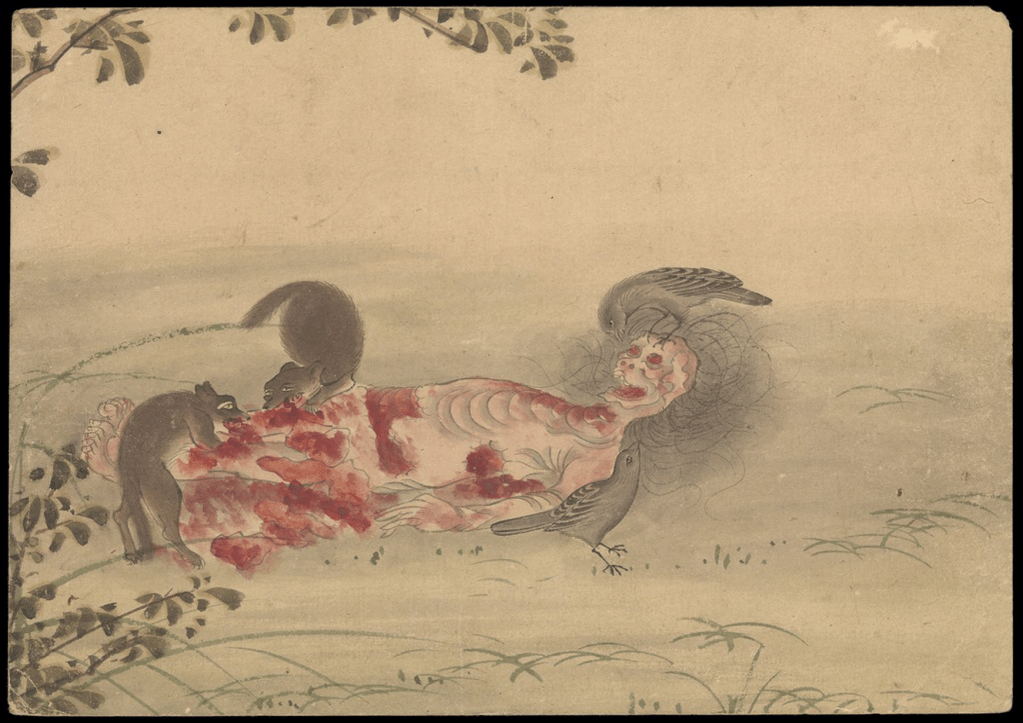
The narrative of decay continues with the gradual disappearance of the soft tissues. Stage six reveals the body as a skeleton, the underlying structure now exposed. Stripped bare of flesh, the skeleton serves as a universal memento mori, a stark reminder of the shared skeletal framework that underpins all human forms, transcending individual identities and earthly trappings. Stage seven carries this further, depicting the body as disjointed bones, scattered and disconnected. The individual identity, once so clearly defined, is now fragmented and dispersed.
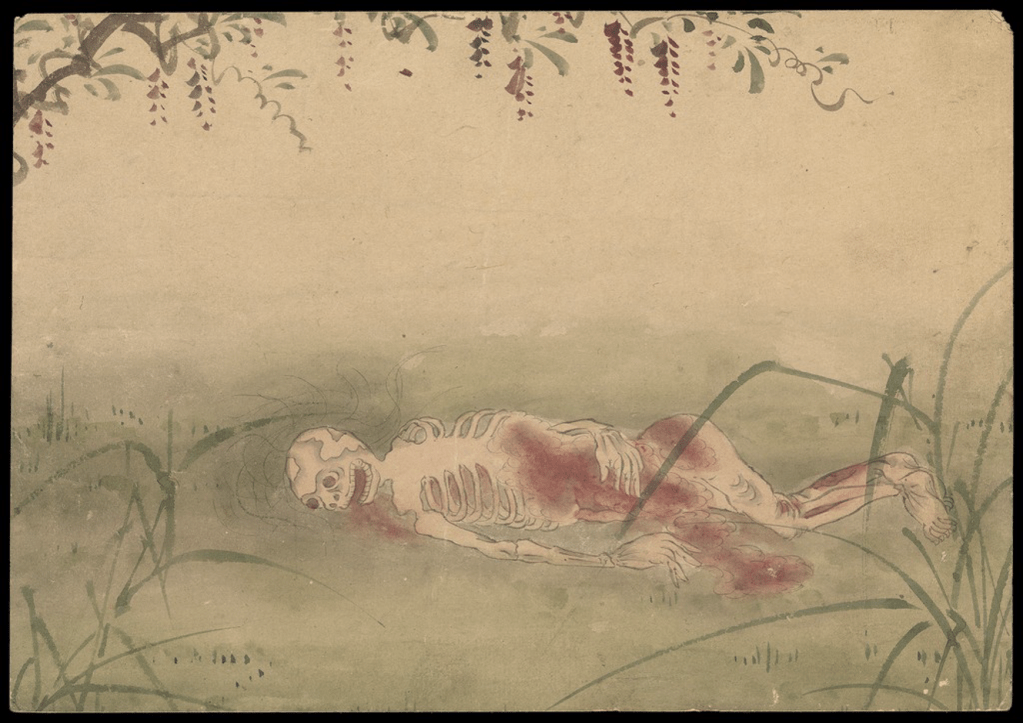
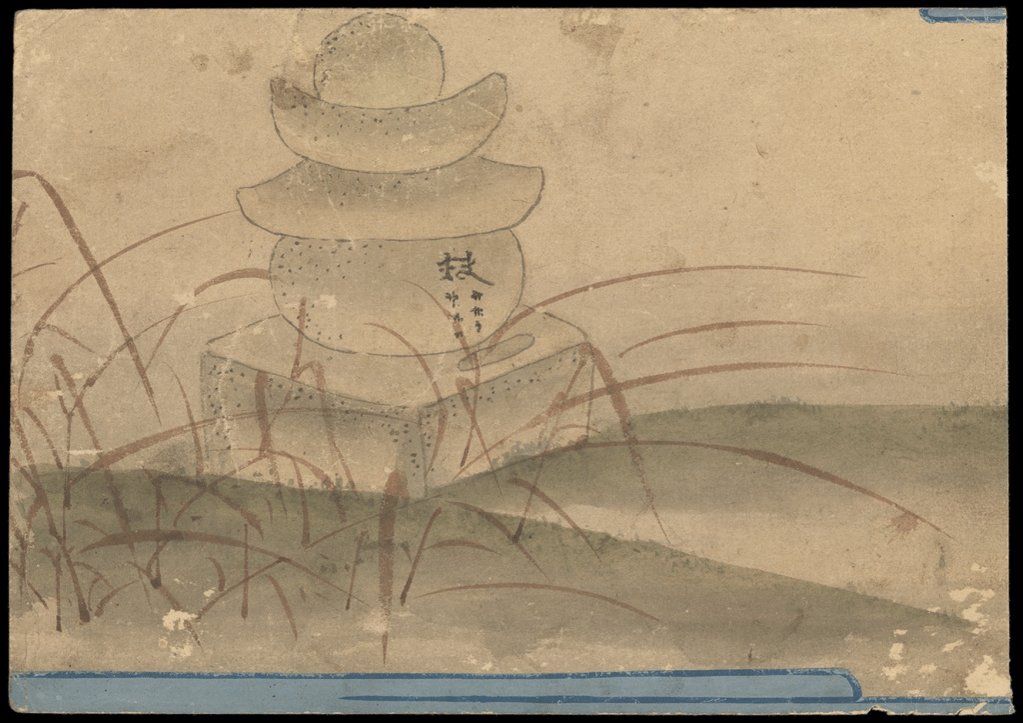
The final stage, stage eight, offers a sense of closure, albeit one tinged with the finality of physical erasure. A tumulus, or burial mound, covers the remains of the noble lady. The body has returned to the earth, the visible signs of its individual existence now subsumed by the landscape. This stage can be interpreted in various ways: as a peaceful return to the natural world, a symbolic burying of earthly concerns, or simply the ultimate cessation of physical presence.
The symbolism inherent in Kusōzu extends beyond the straightforward depiction of decay. The consistent portrayal of a noble lady throughout the series underscores the universality of death, demonstrating that neither status nor beauty can ultimately evade its grasp. The meticulous detail in illustrating each stage serves not merely to shock, but to facilitate a visceral contemplation of our own mortality. For those drawn to the darker currents of existence, these images can evoke a sense of catharsis, confronting the taboo subject of bodily decomposition with unflinching honesty.

Furthermore, the Kusōzu can be seen as a Buddhist-influenced meditation on impermanence (anitya) and the illusory nature of the self. The gradual disintegration of the physical form serves as a powerful visual metaphor for the Buddhist understanding that all compounded phenomena are subject to decay and dissolution. The attachment to the physical body and the illusions of permanence are ultimately revealed as sources of suffering.
In the context of black and extreme metal, where themes of death, nihilism, and transcendence are frequently explored, Kusōzu offers a compelling visual analogue. The unflinching portrayal of decay resonates with our genre’s often bleak and uncompromising aesthetic. Just as extreme metal confronts societal norms and comfortable realities, Kusōzu forces a direct engagement with the physicality of death, stripping away euphemisms and romantic notions. The imagery can be seen to mirror the intensity and often unsettling lyrical content of the music.
Moreover, under a more occult lens, we may find resonance in the transformative aspect of Kusōzu. While depicting decay, the series also illustrates a return to the fundamental elements, a cyclical process of dissolution and potential rebirth, albeit not in a conventional sense. The stripping away of the superficial reveals the underlying structure, a concept that can be linked to various esoteric traditions that emphasize the unveiling of deeper truths through deconstruction and transformation.
Kusōzu transcends its literal depiction of a decaying corpse to function as a profound meditation on mortality and impermanence. Its stark and unflinching portrayal of bodily disintegration offers a powerful visual experience that resonates deeply with the themes explored in black metal. By confronting the taboo of decay, Kusōzu invites a contemplation of our own fleeting existence and the ultimate fate that awaits us all, serving as a potent and enduring reminder of the transient nature of life.
-Z
9 watercolour paintings approx 17cm x 24cm. Artist unknown. 18th century.



 Mithraic Magazine
Leave a comment