How To Turn Your Paranoia Into Prose
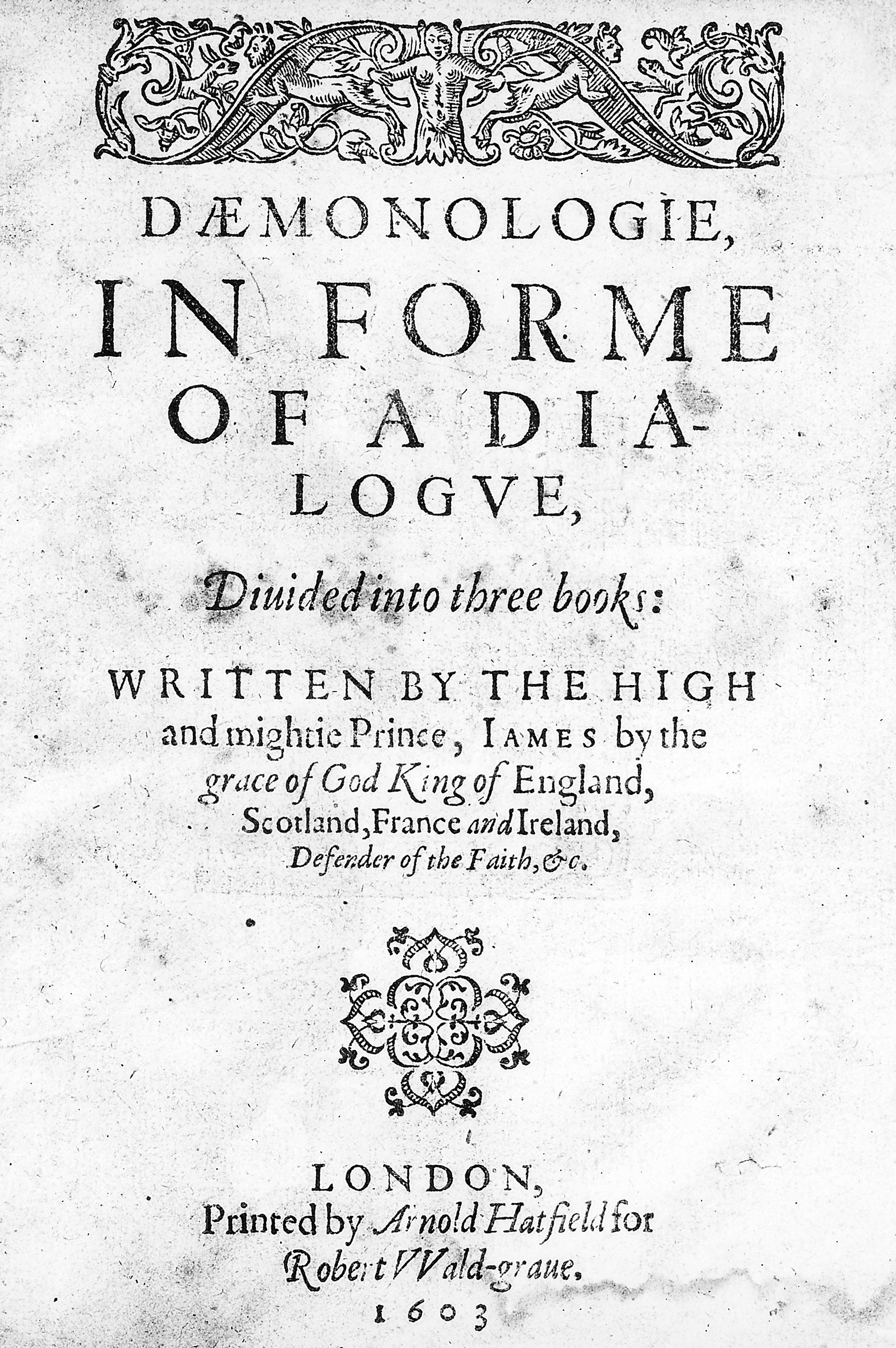
King James VI of Scotland’s Daemonologie, first published in 1597, is a unique and pivotal text in the history of demonology and witchcraft. Written by the reigning monarch, it reflects King James’s deep personal interest in theology, the supernatural, and the legal prosecution of witchcraft. What makes this work extraordinary is its dual nature as both a scholarly treatise and a practical guide. It seeks to educate readers on the perceived realities of witchcraft, sorcery, and demonology, while also providing a framework for identifying and prosecuting alleged witches.
D’s Commentary
I’ve often been told I’m a fountain of useless knowledge, and honestly, I can understand why. For example, I was curious after reading this if James VI made any money from his publication given it was first published in 1597, and now I have obscure (read: useless) knowledge about archaic copyright laws that I’m going to share (read: shower, like a fountain) with you.
So, the short answer is no, probably not. At least not directly.
The long answer is, back in the sixteenth century it was usually the publisher and not the author who made the money. Copyright as we know it didn’t exist, so the system at the time would publish under a royal privilege, which gave the printer the right to publish the works and make a profit from them. On the front cover of the original 1597 print by Robert Waldegrave you will see the text “Cum Privilegio Regio” – which isn’t as kinky as it sounds.
Royal Cum Privilege actually means something like “Under Royal Privilege” and dictates the printer has express Royal consent to blow his load and get printing. As we’re in the pre-Copyright era, and as the printer was the one taking the financial risk, they essentially got all the profits.
Pretty terrible system by today’s standards, but given your average peasant couldn’t write in 1597 (the chances of them even being able to read would be debatable) you’ve got to remember that the people writing these books were already leagues above being poor and they weren’t selling books for fortune, but for the prestige that came with doing so. These people printing books in 1597 were the aristocracy, the clear elite, and the literal King himself. So, don’t shed a tear for them not having copyright protection as I’m sure they slept just fine without the extra income.
Better perhaps to shed a tear for us, because we do have modern copyright laws, and although it should be one of our defining features as a modern society, as with everything else it has been abused, corporatised, and taken to absurd extremes not for the protection of the original creator but solely to enrich the current copyright holder (and note – they often aren’t the same person.)
Anyway, if you want to check if your wife is a witch or your neighbour is a Satanist just put on some Coven and see how they react. Or you can read what King James had to say himself, it’s pretty unhinged.
HTBLOF.
All work featured here is mirrored from the Internet Archive, and is available here under the same terms it was uploaded there. This document is being mirrored here to act as a back up to the copy hosted on the Internet Archive. Since the Internet Archive’s hack, it has been clear that decentralised hosting is the only way to ensure the longevity of these obscure, but culturally important documents. This book is from within the Public Domain, however, if this somehow infringes on your intellectual property, you can always email us.

 Mithraic Magazine
Leave a comment